Where to stay in Abruzzo?

L'Aquila
L'Aquila, the capital of Abruzzo, sits high in the Apennine Mountains, surrounded by nature and steeped in history. This elegant city boasts medieval walls, Renaissance palaces, and atmospheric piazzas, all set against a dramatic mountain backdrop. Despite suffering a major earthquake in 2009, it has been beautifully restored and remains a cultural heart of the region.
Visitors are drawn to L’Aquila for its authenticity, slower pace, and a deep sense of local life. From the stunning Basilica di Santa Maria di Collemaggio to the underground fountains of the 99 Spouts, there is a strong presence of art, history, and tradition. The city’s vibrant university population also keeps it youthful and lively.
Staying here is ideal for those who want a mix of urban comfort and nature, as it’s just a short drive to the Gran Sasso mountains. Whether you’re into hiking, skiing, or just relaxing with a glass of Montepulciano d’Abruzzo wine, L’Aquila offers a compelling and less-crowded Italian escape.

Rocca Calascio
Perched at 1,460 meters above sea level, Rocca Calascio is one of Italy’s most stunning and iconic fortresses. The ruins of the ancient castle overlook vast plains and rugged mountains, offering one of the most scenic views in all of Abruzzo. It’s a magical place often cloaked in mist or snow, depending on the season.
Rocca Calascio has an otherworldly atmosphere, which is why it’s been featured in films like *Ladyhawke*. The nearby village of Calascio offers rustic accommodation, mountain hospitality, and peaceful surroundings. There are no crowds—just silence, stone, and sky.
If you're looking for total immersion in nature and history, this is the place. It's ideal for photographers, hikers, and anyone wanting to disconnect. Watching the sunset from the fortress walls is a memory you’ll never forget.
Sulmona
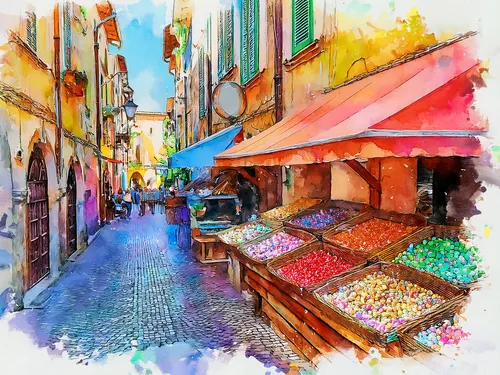
Sulmona is a picturesque town known worldwide as the birthplace of the Roman poet Ovid and for its colorful confetti (sugar-coated almonds), a centuries-old local specialty. Walking through its historic center reveals Baroque churches, Roman aqueducts, and artisan boutiques.
The city is alive with tradition—from weekly markets in Piazza Garibaldi to festivals celebrating medieval jousts and poetry. You can visit the Confetti Museum, sample local sweets, and stroll along Corso Ovidio, the elegant main street lined with cafes and shops.
With its romantic vibe and excellent location between two national parks, Sulmona is a perfect base for exploring the best of Abruzzo. It combines charm, culture, and comfort in a way few places do.
Scanno
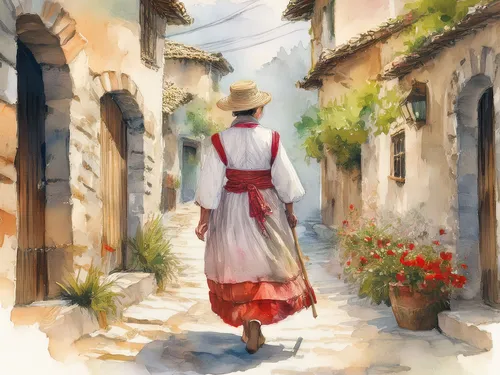
Scanno is a storybook village nestled in the heart of the mountains, known for its traditional costumes, jewelry-making heritage, and photogenic streets. With steep alleys, old stone houses, and alpine views, it’s one of the most beautiful villages in Italy.
Just outside the village lies Lago di Scanno, a heart-shaped lake perfect for swimming, canoeing, or scenic walks. Local shepherds and artisans still practice age-old crafts, giving visitors a glimpse into the timeless soul of rural Abruzzo.
Staying in Scanno is like stepping into a painting. It’s a peaceful retreat with strong local identity and breathtaking nature, perfect for those seeking beauty, tradition, and serenity.

Castelli
The village of Castelli is famous for its centuries-old ceramic-making tradition. Nestled at the foot of the Gran Sasso, it is a charming artist's village with workshops, museums, and hand-painted pottery on every corner.
Beyond ceramics, Castelli offers dramatic mountain views, peaceful surroundings, and rich cultural heritage. The ceiling of the local San Donato church, painted by 17th-century artists, is sometimes called the “Sistine Chapel of Majolica.”
Visitors can take part in pottery classes, meet local artists, and take home one-of-a-kind souvenirs. Staying here offers a creative, calm experience unlike any other in Abruzzo.
- Roccaraso Hotel Le Ortensie, Roccaraso
- Tortoreto Lido Il Gelso di Sofia B&B, Tortoreto Lido
- Pescara Hotel Maja, Pescara
- Pescara Maison Fleurie, Pescara
- Montesilvano B&B Raffaello a Mare, Montesilvano
- Tortoreto Lido Residence Abruzzo Resort, Tortoreto Lido
- Nocciano Casa Gavenniae, Nocciano
- L'Aquila My Suite Hotel, LʼAquila
- Roccaraso Hotel Il Bucaneve, Roccaraso
- Pescasseroli Albergo del Sangro, Pescasseroli
- Collecorvino B&B I Poeti, Collecorvino
- Pineto Hotel Sirena, Pineto
- Casale di Cocullo Bed and Breakfast Agata, Casale
- Montesilvano Lido Grand Eurhotel, Montesilvano
- Villetta Barrea Da Nonna Li Rooms and Breakfast, Villetta Barrea
- Pacentro Fattoria La Tana della Volpe, Pacentro
- Montesilvano B&B Palazzo del Toro, Montesilvano
- Chieti Nuovo Albergo, Chieti
- Manoppello Villa Pardi, Manoppello
- Tortoreto Lido Hotel Residence Margherita, Tortoreto Lido
- Tortoreto Hotel Marebello, Tortoreto Lido
- Lanciano Angelucci Agriturismo con Camere e Agri Camping, Lanciano
- Atessa Hotel Ristorante Al Duca, Atessa
- Pianella Agriturismo Via del Campo, Pianella
- Bomba BB Casavacanze Corneto, Bomba
- Teramo Park Hotel Sporting, Teramo
- Tortoreto Residence Helene, Tortoreto Lido
- Alba Adriatica Hotel Petite Fleur, Alba Adriatica
- Opi La Pieja, Opi
- Vasto Marie Claire Apartments & Spa, Vasto
- Giulianova Hotel Miramare, Giulianova
- Scanno La Dimora di d'Annunzio, Scanno
- Ripa Teatina Hotel Il Dito e la Luna, Ripa Teatina
- Martinsicuro Hotel Holiday, Martinsicuro
- Sulmona B&B Il Marchese Del Grillo, Sulmona
- Tortoreto Salinello Village, Tortoreto Lido
- Sulmona B&B Santa Chiara, Sulmona
- Roseto degli Abruzzi Manè Boutique Hotel, Roseto degli Abruzzi
- Colonnella Le camere di Villa Incanto, Colonnella
- Tortoreto Incantea Resort, Tortoreto Lido
- Roseto degli Abruzzi Villa Imago, Roseto degli Abruzzi
- Scerne di Pineto Hotel Parco degli Ulivi, Scerne
- Pettorano sul Gizio La Fantesca, Pettorano sul Gizio
- San Benedetto In Perillis Charme in Perillis, Popoli
- Torino Di Sangro Hotel La Siesta, Torino di Sangro
- Montesilvano Il balconcino, Montesilvano
- Mosciano Sant'Angelo Casale Delle Arti, Mosciano SantʼAngelo
- Tortoreto Lido Hotel Villa Elena, Tortoreto Lido
- Pescara La Dimora del Conte, Pescara
- Teramo Bambù Affittacamere & Residence, Teramo
- Giulianova Hotel Cristallo, Giulianova
- Vasto B&B Giulio Cesare, Vasto
- Castel di Sangro Snowake House, Castel di Sangro
- Roccamorice Locanda della Corte, Roccamorice
- Lama dei Peligni Casa-Albergo Tiroasegno, Lama dei Peligni
- Manoppello (Pescara) La casa del pellegrino, Manoppello
- Pescocostanzo Garnì B&B La Rua-Pescocostanzo, Pescocostanzo
- Pescara B&B Blanc, Pescara
- Ortona Hotel 4 Strade, Ortona
- L'Aquila B&B L'Aquila, LʼAquila
- Montesilvano B&B Monté, Montesilvano
- Tollo Il Sogno, Tollo
- Silvi Marina Hotel Mion Charme & Relax, Silvi Marina
- Spoltore BellaVista Bike Stop, Spoltore
- Vasto B&B Villa Angela, San Salvo
- Popoli Hotel Tre Monti, Popoli
- Barisciano Albergo Ristorante Monte Selva, Barisciano
- Controguerra Idea 18 Boutique Hotel, Controguerra
- LʼAquila (Loc. Casermette) Canadian Hotel, LʼAquila
- Sulmona Angelino Home, Sulmona
- Tortoreto Lido Agriturismo Chicchirichì, Tortoreto Lido
- Pescara B&B Jolie center, Pescara
- Pineto Agriturismo Col Morino, Pineto
- Roccaraso Hotel Cristal, Roccaraso
- Gioia dei Marsi FILIPPONE HOTEL&RISTORANTE, Gioia dei Marsi
- Assergi Hotel Nido dell'Aquila, Assergi
- Colonnella Villa Susanna Degli Ulivi - Resort & Spa, Colonnella
- Giulianova Hotel 900, Giulianova
- Torricella Sicura L' Ulivo Bed & Breakfast, Teramo
- Vasto Marina Hotel Sporting, Vasto
- Guardiagrele B&B Dei Raselli, Guardiagrele
- Pescara Hotel Spazio Residenza, Pescara
- Roccaraso B&B IL GHIRO, Roccaraso
- Scurcola Marsicana Hotel Olimpia, Avezzano
- Assergi Hotel Fiordigigli, Assergi
- LʼAquila Bed and Breakfast Grace, LʼAquila
- Pescocostanzo Mario's Garni, Pescocostanzo
- Castellalto Tra Mare e Monti, Castellalto
- Martinsicuro Villa Consorti, Martinsicuro
- Ovindoli Ovindoli Park Hotel & SPA, Ovindoli
- Pescara Hotel Salus, Pescara
- Scanno Tassido Coda Resort, Scanno
- Città Sant'Angelo Magnolia B&B, Citta' Sant'Angelo
- Tortoreto Residence Palazzo Gasparroni, Tortoreto Lido
- Rocca di Mezzo Hotel Caldora, Rocca di Mezzo
- Sulmona B&B Del Teatro, Sulmona
- L'Aquila La Dimora del Baco Hotel, LʼAquila
- Torino di Sangro Verdemare, Torino di Sangro
- Villa Rosa di Martinsicuro Hotel San Remo - All Inclusive - Fronte Mare - Spiaggia Privata, Martinsicuro
- Vasto Villa Martina, Vasto


